Crime & Law
R. Kelly Asks US Supreme Court to Review Child Pornography Case
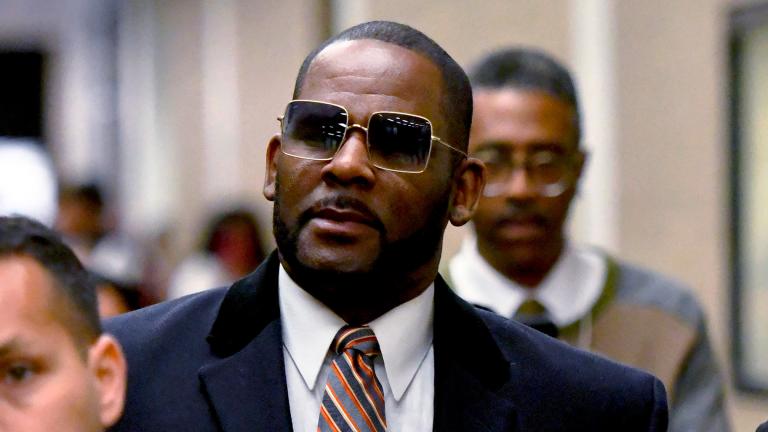
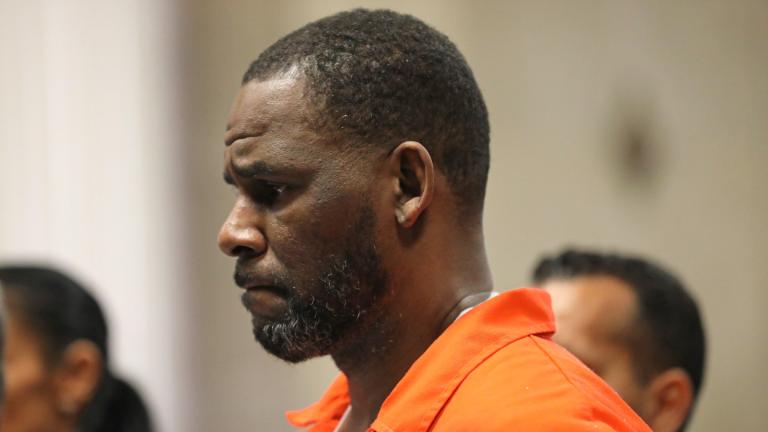
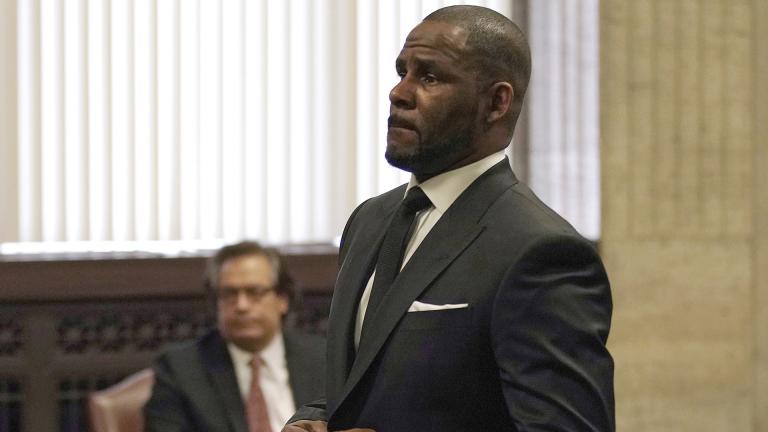
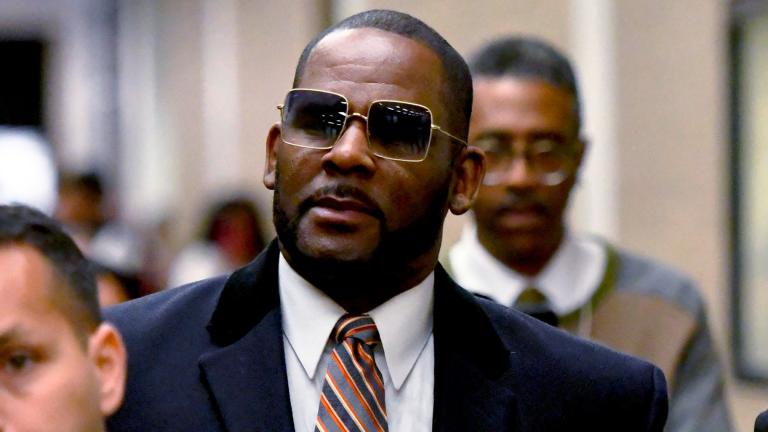
 In this Sept. 17, 2019, file photo, R. Kelly appears during a hearing at the Leighton Criminal Courthouse in Chicago. (Antonio Perez / Chicago Tribune via AP, Pool, File)
R. Kelly, the R&B singer convicted in 2022 of sexually abusing his 14-year-old goddaughter and other minors in the late 1990s and early 2000s, is asking the Supreme Court to take another look at his case.
In a petition filed last week and unsealed Monday, Kelly’s defense team asked the court to take another look at the case after a lower court rejected his appeal earlier this year. Just as they did before the lower court, Kelly’s defense team has again argued that the statute of limitations on his charged had expired.
“This Court should grant review to reaffirm the long-standing principles that criminal limitations are to be liberally interpreted in favor of repose and that legislation is presumed to apply prospectively, regardless of Ex Post Facto considerations unless Congress expressly states otherwise,” defense attorney Jennifer Bonjean wrote in the petition.
Kelly, 57, was charged in 2019 over allegations that he sexually abused multiple minors and recorded some of those acts on video. He went to trial in 2022 in Chicago alongside two former employees of his music business, Derrel McDavid and Milton Brown.
Kelly was found guilty on three child pornography-related counts and three child enticement charges, but was acquitted on seven other counts, including a fourth child pornography charge.
McDavid and Brown were acquitted on charges they covered up that abuse by concealing illicit video tapes showing Kelly’s abuse of his goddaughter, who testified under the pseudonym “Jane.”
The disgraced singer was previously sentenced to 30 years in prison following his convictions in a separate federal case in New York. Last year, a judge sentenced Kelly to 20 years in prison following his Chicago convictions, but 19 of those years are set to be served concurrently with his existing New York sentence.
Statutes of limitations for child abuse cases were eliminated in the 2003 PROTECT Act, but the conduct Kelly was convicted of predates that law. Bonjean in her petition wrote that in passing that legislation, Congress did not “expressly state that the PROTECT Act should apply retroactivity and even rejected a version of the bill that include a retroactive provision.”
“... the PROTECT Act did not extend the statute of limitations and (Kelly) was convicted of time-barred offenses,” Bonjean wrote.
Kelly’s attorneys previously brought a similar argument to the Seventh Circuit Court of Appeals, which found the “law does not support Kelly’s position” and wrote that “No statute of limitations saves him.”
Kelly is currently being held at a medium security prison in North Carolina. His scheduled release date is Dec. 21, 2045.
Contact Matt Masterson: @ByMattMasterson | [email protected] | (773) 509-5431